Are you on the lookout for facts about Installing A Bathtub?
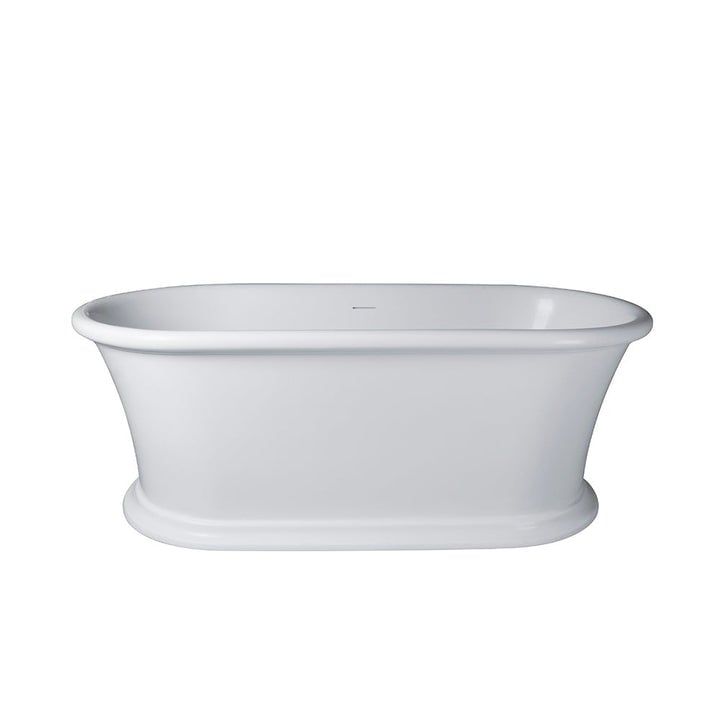
Mounting a tub isn't exactly brain surgery, but it does call for solid plumbing, woodworking, as well as in some cases, tiling abilities. Changing an old bathtub with a brand-new one is additionally a reasonably challenging project. If the old bathtub is easily obtainable, the job can move easily; if you need to open a wall surface to get rid of the old tub and also position the brand-new tub, the job is much harder. In either case, the project is within a house handyman's skills, although you will certainly need an assistant to move out the old bathtub and embeded in the new one. Make certain you have certified yourself for the task as well as are comfortable trying it. Rather than employing a contractor to take control of a halfway-completed project, it is much better to consider utilizing one prior to you begin. Opportunities are you may require a professional plumber to make tube links.
This article will aid you install a brand-new bathtub in your restroom if you have currently bought a brand-new bathtub and do not need to transform the arrangement of your previous water system pipes.
Your tools as well as product checklist must comprise the following:
Removing Old Taps
If you require to change old taps with brand-new ones as a part of your installment, then the first thing you ought to do is separate the water. After doing so, turn on the taps to drain any type of water continuing to be in the system. The procedure of removing the existing taps can be rather bothersome due to the restricted gain access to that is usually the case.
Use a basin wrench (crowsfoot spanner) or a faucet device to undo the nut that links the supply pipelines to the faucets. Have a towel ready for the remaining water that will originate from the pipelines. As soon as the supply pipelines have been removed, use the exact same tool to loosen the nut that holds the taps onto the bath/basin. You will need to quit the solitary faucets from transforming throughout this procedure. As soon as the taps have been removed, the holes in the bath/basin will need to be cleansed of any kind of old securing compound.
Before moving on to fit the new taps, compare the pipe links on the old faucets to the new taps. If the old taps are longer than the new faucets, then a shank adapter is required for the new taps to fit.
Fitting New Touches
If the tails of the brand-new faucets are plastic, after that you will need a plastic connector to avoid damages to the string. One end of the connector fits on the plastic tail of the tap as well as the various other end supplies a link to the current supply pipelines.
If you require to fit a monobloc, then you will certainly need minimizing couplers, which links the 10mm pipe of the monobloc to the basic 15mm supply pipeline.
Next off, place the faucet in the installing hole in the bath/basin guaranteeing that the washers are in area in between the faucet as well as the sink. Protect the tap in place with the manufacturer supplied backnut. When the tap is securely in position, the supply pipelines can be linked to the tails of the taps. The taps can either be attached by using corrugated copper piping or with normal tap connectors. The previous kind ought to be connected to the tap finishes initially, tightening up just by hand. The supply pipelines can later be connected to the various other end. Tighten up both ends with a spanner after both ends have been connected.
Mounting the Bath tub
Utilizing both wood boards under its feet, put the bathtub in the called for setting. The wooden boards are helpful in equally spreading the weight of the bath tub over the location of the boards rather than focusing all the weight onto four tiny factors.
The following objective is to make sure that the tub is leveled all round. This can be achieved by checking the level as well as changing the feet on the bath tub up until the spirit level reviews level.
To install faucets, fit all-time low of the furthest adaptable faucet connector to the ideal supply pipe by making a compression join; after that do the same for the various other tap.
Activate the water system and examine all joints as well as brand-new pipework for leakages and tighten them if needed. Fill the bath tub and additionally inspect the overflow electrical outlet as well as the normal electrical outlet for leaks.
Lastly, fix the bathroom paneling as defined in the producer's user's manual. Tiling and securing around the bathtub must wait until the tub has been used a minimum of once as this will resolve it into its last setting.
Preparing for the Setup
To start with, the supporting structure supplied with the bath needs to be fitted (if called for) according to the producer's guidelines. Next, fit the faucets or mixer to the bathtub. When suitable the tap block, it is essential to make certain that if the tap includes a plastic washer, it is fitted between the bathroom as well as the faucets. On a plastic bath, it is likewise reasonable to fit a supporting plate under the taps system to stop strain on the bathtub.
Fit the versatile faucet adapters to the bottom of the two faucets making use of 2 nuts and olives (in some cases provided with the tub). Fit the plug-hole electrical outlet by smearing mastic filler round the sink electrical outlet hole, and after that pass the electrical outlet via the hole in the bathroom. Make use of the nut supplied by the producer to fit the plug-hole. Take a look at the plug-hole electrical outlet for an inlet on the side for the overflow pipe.
Next, fit completion of the adaptable overflow pipeline to the overflow outlet. After that, screw the pipe to the overflow face which must be fitted inside the bathroom. Make sure you make use of every one of the supplied washers.
Link the trap to the bottom of the waste electrical outlet on the bath tub by winding the string of the waste outlet with silicone mastic or PTFE tape, and screw on the trap to the outlet. Link all-time low of the overflow tube in a comparable manner.The bathroom need to currently prepare to be fitted in its final position.
Tiling Around the Tub
In the area where the bathroom satisfies the floor tile, it is essential to secure the accompanies a silicone rubber caulking. This is important as the fitting can move enough to break an inflexible seal, creating the water to penetrate the wall between the bath and the tiling, leading to problems with dampness and possible leaks to the ceiling below.
You can choose from a variety of coloured sealers to assimilate your components as well as installations. They are offered in tubes as well as cartridges, as well as are capable of sealing gaps up to a width of 3mm (1/8 inch). If you have a larger space to load, you can load it with spins of drenched paper or soft rope. Remember to always fill the tub with water before securing, to permit the activity experienced when the bathtub is in use. The sealant can break relatively early if you do not take into account this movement before sealing.
Additionally, ceramic coving or quadrant ceramic tiles can be utilized to border the bathroom or shower tray. Plastic strips of coving, which are easy to use and also reduce to dimension, are additionally conveniently readily available on the marketplace. It is advisable to fit the ceramic tiles utilizing waterproof or water resistant sticky as well as cement.
How to Install a Freestanding Bathtub?
Installing a freestanding bathtub or any kind of bathtub is not a difficult task if you have a sophisticated guide on installing a freestanding bathtub in your bathroom. Aside from getting the freestanding bathtub to your bathroom, you can do all the work without paying a plumber. A bathroom with a bathtub is a retreat where you can feel the sensation of coming home and soaking in that hot water. It is a great way to remove all the stress from your day.
This guide will walk you through installing a freestanding bathtub in simple steps and help you find relief.
Slope
Make sure your bathroom has a proper slope. If your floor lacks a slope, the water flow to the drain will not function, which leads to a blocked drain which can cost you money. You can use the level device to see your bathroom's vertical and horizontal aspects. Once you have that information, you must carry out the next step.
Placement
A freestanding bathtub has a unique characteristic that helps you bring elegance to your bathroom. A freestanding bathtub comes in various sizes and shapes suitable for different types of bathrooms.
According to the information you gathered from the level device, you must pick a bathtub that suits your style and fits your bathroom aesthetically. You can place a freestanding bathtub virtually anywhere, such as in the corner, near the wall, or even at the center of your bathroom. However, you must ensure proper plumbing where you want to install the tub. If not, then you must call a plumber.
Clean the bathroom floor
After deciding where to place the bathtub, you must clean the entire bathroom floor so that the dust and debris do not accumulate underneath the tub. Simple cleaning is enough, and you will clean it again after the installation.
Steps to Install a Freestanding Bathtub:
STEP 1: Place the protective blanket in the adjacent area where you want to install the bathtub. It will help you protect the bathtub's sides when you do the installation.
STEP 2: Now, place the 4x4 lumber in the area where you want to install the bathtub. Place the bathtub on top of the lumber, and align the drain line with the bathtub drain.
STEP 3: A freestanding bathtub comes with a drain kit. If not, make sure you purchase one with your bathtub. You can pop that drain kit and align it with your bathroom drain line. Ensure that you tighten the drain nut enough so there is no water leakage. You must also clean the bathtub’s drain to remove the factory dirt and debris.
STEP 4: Clean the drain hole in your bathroom. It helps to do the installation without any water blockage. A drain cleaner or bleach will suffice. Once the drain dries entirely, take a small amount of clear silicon and place it around the underside of the pipe flange.
STEP 5: Attach the drain tailpiece to the bottom of the bathtub. Place the rubber or plastic bushing with the plumbing material at the top of the tailpiece and screw the drain nut up the tube until it tightens both the bathtub’s drain and the drain tailpiece. Now you must add the lubricant to the seal to ensure there is no water leakage in the pipe connection.
STEP 6: Place caulk around the bottom edge of the bathtub. Take out the lumbar support and carefully bring the bathtub to the floor. Use a damp cloth to clean the excess caulk and debris and plumber putty to cover the tub drains and the floor.
Tips to Maintain a Freestanding Bathtub:
Always look for the clog in the drain. You can pull it out with a small stick if hair or debris is in the gutter. Use mild cleaning components, which will help you preserve the bathtub for a long time and will also help you remove surface-level scratches. Do not use strong solutions such as concentrated bleach to remove stains. Instead, mix water and diluted bleach with a ratio of 10:2, respectively. Apply it to the tub's surface and leave it for 15-20 minutes to remove any surface-level stains. Always check the floor drain. You may unclog it using any small sticks or a small vacuum to suck out all the debris. Check the heater or faucet immediately if you smell rust or grease in the water. Rust in the water may stain or damage the bathtub in the long run. If you want to sand the bathtub, try using 400 grit sandpaper or 600 grit sandpaper for a more refined finish.

We had been made aware of that editorial on How to Install a Bathtub through someone on our other web page. Appreciated our article? Please share it. Help somebody else discover it. Thanks so much for going through it.
Start Now